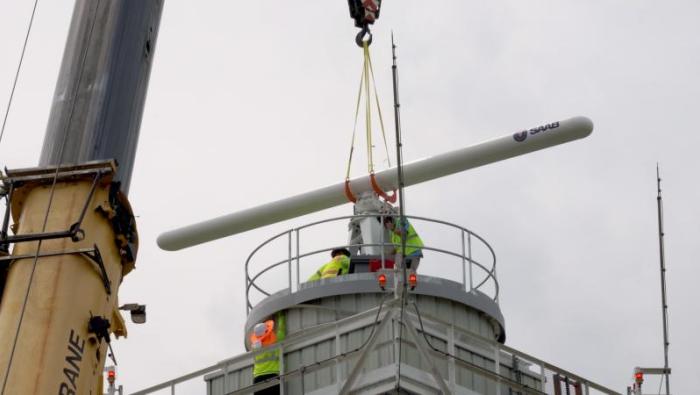
Operators using the newly-activated automatic dependent surveillance-broadcast (ADS-B) air traffic control and information system in the Gulf of Mexico will likely see flight leg times cut an average of 15 to 25 minutes and individual IFR routes shortened by at least 30 miles, compared to using the old grid ATC system in the Gulf, according to the FAA and individual operators. Jim Linney, FAA program manager for central service area, surveillance and broadcast service office, said that approximately 170 of the 600 helicopters operating in the Gulf plan to upgrade to ADS-B “over the next few years.” Linney said ADS-B air-to-ground radio equipment is installed on seven offshore platforms and nine shore stations and that five more sites will be added to give the system more “robustness.” He also said that there are approximately 18 ADS-B weather stations in the Gulf and that number will eventually increase to 35. The additional equipment mostly will be added to deep water platforms. However, as currently equipped, the system is fully operational Linney said.
The FAA’s Houston Terminal Radar Approach Control (Tracon) officially turned on ADS-B in the Gulf of Mexico December 17, and a PHI helicopter was the first to officially fly IFR and land using the system that morning. PHI has a fleet of 12 ADS-B-equipped helicopters operating in the Gulf.
More In ATC