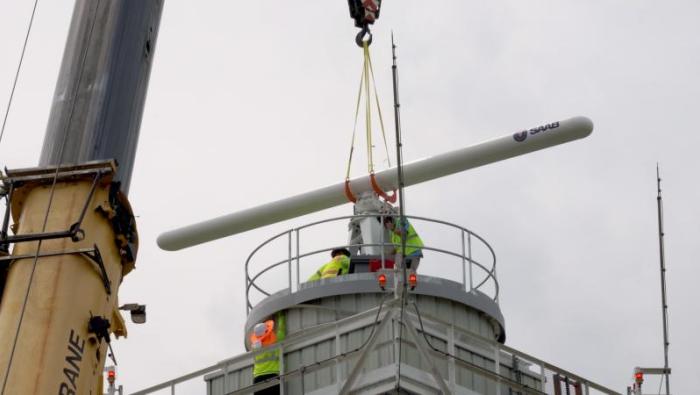
Until the final report is published of the Boeing 757/Tupolev Tu-154 midair collision over Switzerland on July 1, there will probably be continuing speculation about the role that ATC radar played in the accident. Yet there need be no speculation at all about radar’s role in the U.S. National Airspace System. It is, quite simply, the foundation upon which the system has been built. In the almost 60 years since the end of World War II, the FAA and its predecessor agencies have progressively updated the nationwide radar network as technology has advanced. The latest advance is the user request evaluation tool (URET).
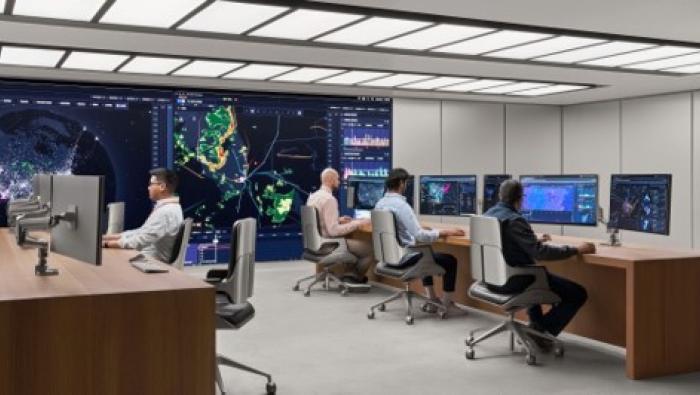
Developed by the Mitre Corp., a government research organization, and built by Lockheed Martin, URET is an extremely smart radar computer program that continuously monitors the present position of all aircraft in the radar’s view and accurately predicts their future positions, out to 20 min flying time ahead. Should it detect a potential conflict, it immediately alerts the controller of the sector in which the affected aircraft are currently flying, maximizing the warning time.
More In ATC