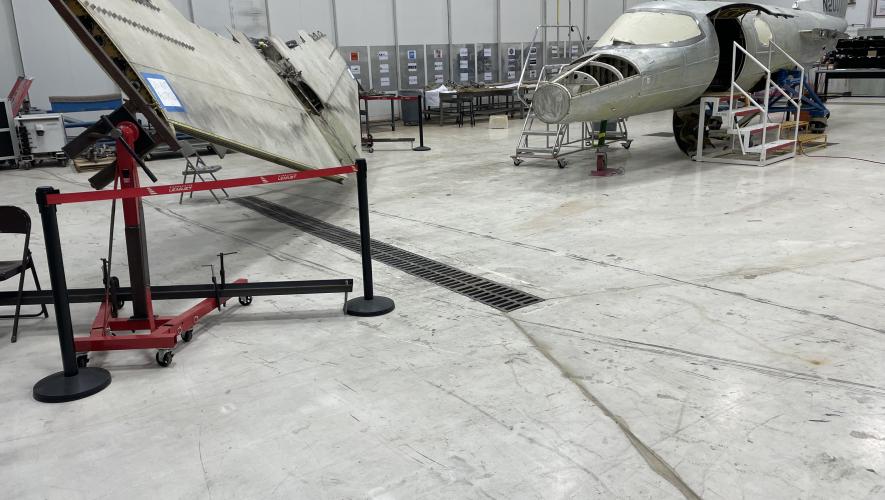
Honda Aircraft recently completed the first wing structure for the HondaJet Echelon at its Greensboro, North Carolina headquarters. Previously scheduled for first flight in 2026 and type certification in 2028, the light jet is now planned to fly in 2028, with type certification and deliveries in 2031, after the company announced an adjusted timeline on September 15.
Construction of the first Echelon wing began in February 2025. Five major components for the first Echelon are in the manufacturing process, with 70% of the parts needed for first assembly now on hand. Honda Aircraft expects to assemble the first Echelon early next year and is now provisioning space for the jet’s final assembly line.
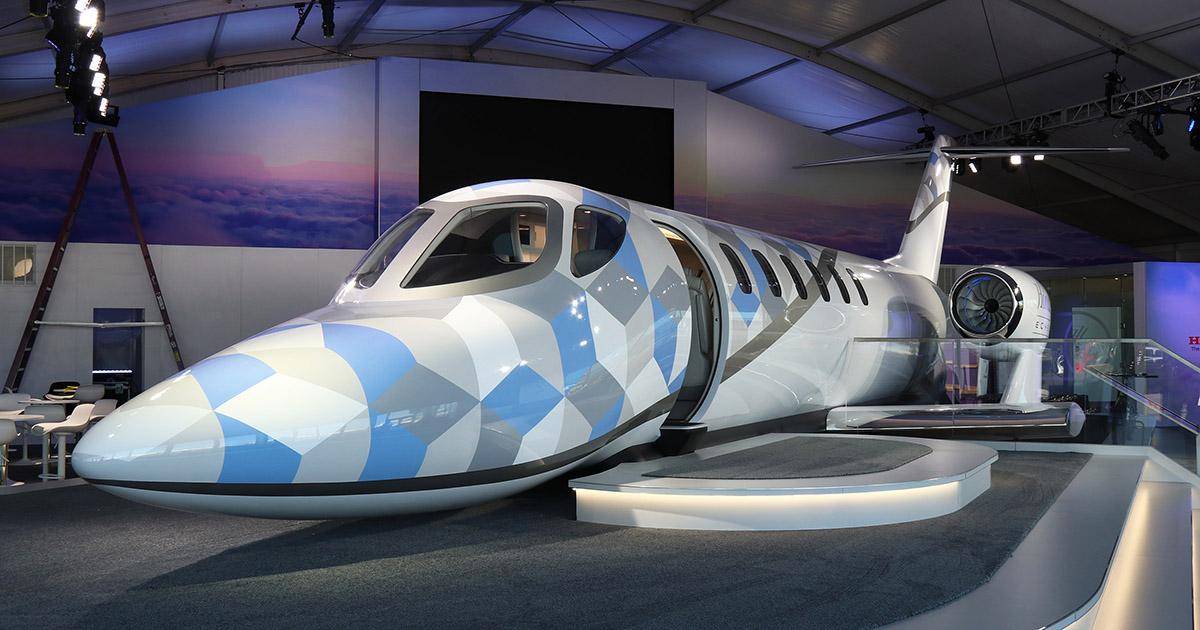
The single-pilot HA-480 Echelon is designed to fill a niche for light jets with midsize-jet cabins capable of transcontinental trips, with a projected four-passenger range of 2,625 nm, 450-knot cruise speed, maximum altitude of FL470, and seats for up to 11 occupants. Engines are Williams International FJ44-4C turbofans, and avionics will be a Garmin suite.
Former Honda Aircraft president and CEO Michimasa Fujino introduced the aircraft as a conceptual design—the HondaJet 2600 Concept—at NBAA-BACE 2021. Formal commercialization of the program occurred in June 2023, announced by Fujino’s successor, president and CEO Hideto Yamasaki.
According to Honda Aircraft, “The updated timeline reflects Tier 1-supplier-related schedule adjustments and ongoing development activities, ensuring the aircraft meets the highest standards of quality and performance.”
“We have made significant progress on the design side,” said Vinicius Souza, assistant program leader for the Echelon program. “So we are mostly on the industrialization side of the program at this point.”
Unlike the HA-420, which began with a flying proof-of-concept prototype followed by more work to finalize the design, the Echelon program is following a more typical method of developing a new jet. That includes a development production-representative flight-test aircraft and production versions under construction as the flight-test campaign progresses.
“It is a standard approach on developing a business jet,” Souza said. “We have a better understanding of where we are right now, and that’s why we are making this update. We do understand the complexities. Our plan takes all those complexities into consideration, and all the learnings, and…on what are the steps to get a product certified.”
At Honda Aircraft’s integrated test facility, a fully operational cockpit test environment supports “active integration campaigns,” according to the company. A second cockpit test setup will be used “to evaluate key aircraft systems prior to the test aircraft taking flight.”
The Echelon is designed to be certified as an amendment to the HA-420 HondaJet’s type certificate and shares the same over-the-wing engine mount configuration. This engine placement expands the jet’s high-speed capabilities and opens up space in the aft cabin. Other features include autothrottles, autobrakes, a runway overrun awareness and alerting system, and Honda Aircraft’s steering augmentation system.
“The HondaJet Echelon continues to take shape through the dedication and expertise of our associates and numerous OEM supplier partners,” said Amod Kelkar, senior v-p, chief commercial officer, and Echelon program leader. “Completion of the first wing assembly represents an important achievement as we continue advancing testing, systems integration, and equipment qualification activity across the program. In spite of some schedule challenges, with steady progress towards the final assembly, we are committed to delivering an aircraft that will redefine light jet performance, efficiency, and capability.
“With more than 530 signed letters of intent, enthusiasm from customers around the world remains exceptionally strong. That confidence reflects the unique value customers see in the aircraft’s planned combination of range, comfort, and single-pilot capability. As we achieve each new development milestone, we remain focused on delivering an aircraft that will open new possibilities for operators and owners around the world.”
In this article
More In Aircraft