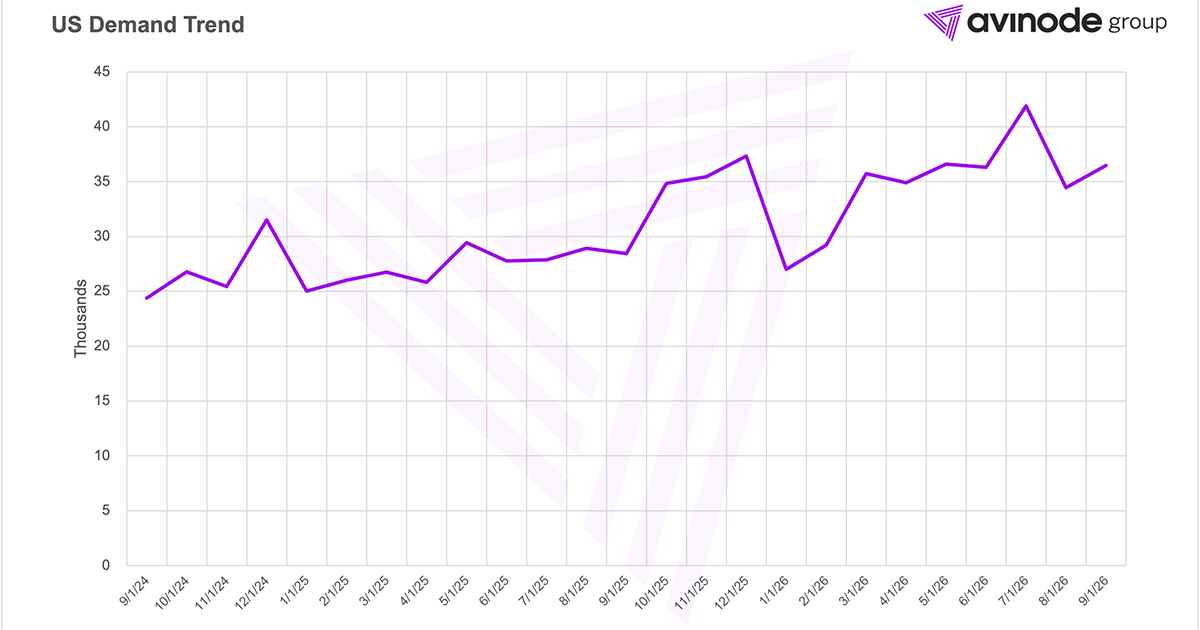
Domestic demand for charter flights in the U.S. grew by 27% between October 2025 and last month, according to global air charter sales and sourcing platform Avinode. However, while the overall number of departures has stayed largely steady, seasonality remains the largest driver of U.S. demand, assisted by more brokers helping to facilitate travel requests.
As the U.S. charter market gears up for its annual peak period, Avinode predicts hourly air charter rates will also hit a record high through the remainder of 2026 due to elevated holiday demand and rising fuel costs. However, Avinode director of commercial development Harry Clarke cautioned that even despite heightened seasonal interest, the number of actual departures remains “pretty flat in the U.S. year over year.”
This is indicative of a “very competitive environment,” he said, as evidenced by a record number of U.S.-based charter brokers using Avinode’s platform.
The region is undeniably a key focus for Avinode, with WingX data suggesting that around two-thirds of all air charter flights occur in the U.S. Although Avinode’s charter demand did see an expected uptick around the FIFA World Cup in June and July, this was by no means equivalent to the spike surrounding 2022’s tournament in Qatar, in part because the U.S. is already responsible for a comparatively larger share of market interest year-round.
“The market is flat overall right now,” said Clarke, highlighting a demand pattern that has remained reasonably steady since the peak post-pandemic interest in air chartering.
Instead, despite ongoing geopolitical uncertainty, Clarke characterized the last few years as a “calmer situation, with more people trying to be involved in facilitating this sort of travel.”
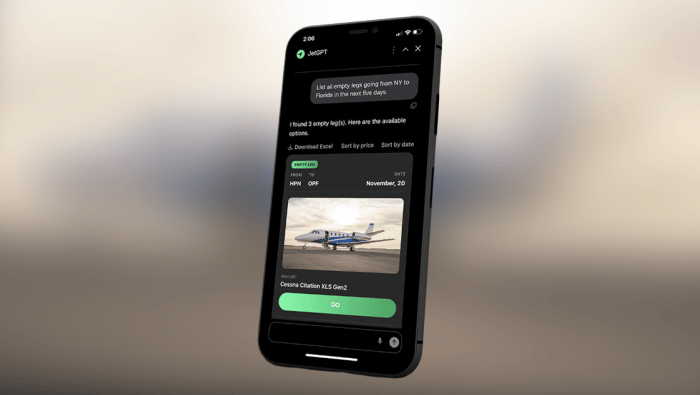
While this has brought renewed competition among charter brokers, especially within the U.S., he added that this period of stabilization is a good opportunity to focus on enhancing efficiencies. Integral to this is embracing the benefits technologies such as AI can bring: being highly efficient and “facilitating this demand effectively,” he said.
While Clarke believes a good relationship with an operator will remain an enduring factor in making bookings successful—especially in a “very crowded” broker space—user expectations of technologically enabled solutions are also on the rise. “People have higher expectations because more is possible, and everyone is becoming more and more familiar with what is possible,” he continued, pointing to the value Avinode believes its AI-augmented outcomes can offer.
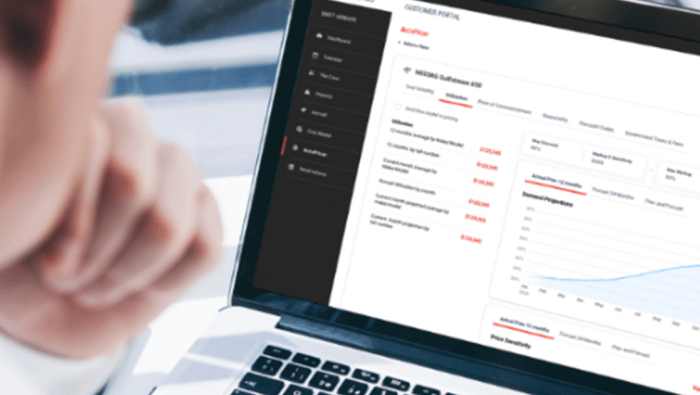
One example of this is a trend towards dynamic pricing. While cost remains the number-one factor for charter customers, Avinode users continue to gauge pricing and a rising desire for “a more dynamic pricing philosophy.”
This strategy is perhaps a greater challenge for business aviation than for a commercial carrier, with business aviation exposed to more risk through fewer seats and entire aircraft booked out for each trip. However, Clarke reasoned that technological advancements offer greater accuracy and clarity behind the ability to make these decisions.
“If you can price more dynamically…you’re going to have more opportunity to increase your profit margin, or secure a trip that maybe you weren’t going to get before,” he said. “If even just a narrow piece of insight could help an operator earn an extra $1,000 on a trip, that is something that could really help the industry.”
Meanwhile, the European charter market saw a strong seasonal pricing pattern during its busy summer season, picking up from the end of May and peaking during August.
In this article
More In Charter & Fractional