As Europe’s peak summer season subsides, accommodating elevated demand for charter destinations continues to remain a priority for the continent's brokers and operators. However, speakers at this week’s Air Charter Expo conference at London Biggin Hill Airport indicated that airport slot and infrastructure constraints continue to make it harder to satisfy customers.
Jessie Howes, director of private jets and helicopters at Air Charter Service, acknowledged that it is becoming “harder and harder” to manage clients’ expectations. She called on the industry to address accessibility challenges at Europe’s in-demand destinations.
According to Howes, this summer’s implementation of the long-awaited European Union digital entry/exit system (EES)—resulting in long waits for passengers at immigration kiosks—has definitely “given [the private charter sector] a boost for those that have been able to decide to take that leap into private jets.” However, border systems notwithstanding, she suggested that European islands such as Ibiza are definitely becoming more popular with scheduled airline services: something which could also further impact private access at airports.
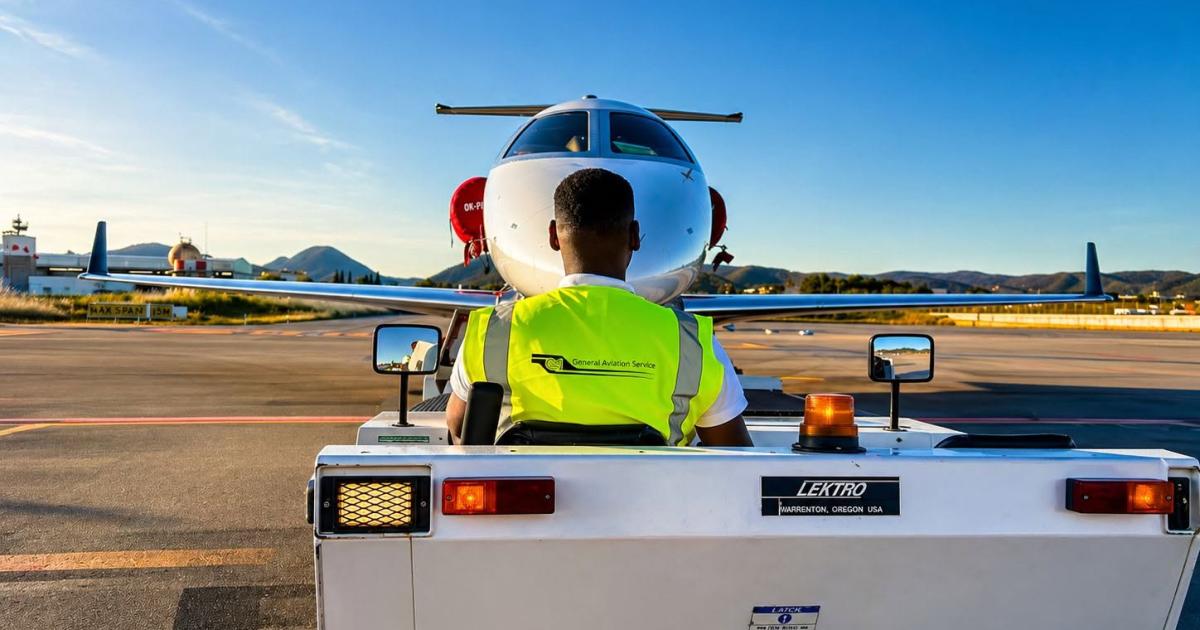
Evgeny Shadov, v-p for business development at Spanish handling and coordination provider General Aviation Service, explained that resilient summer demand across Spain has been most concentrated on specific destinations. With private traffic volumes to the Mediterranean and Balearic Islands up over 40%, “one of the solutions that many of the charter brokers have found when there were no slots available is to fly VFR,” he suggested.
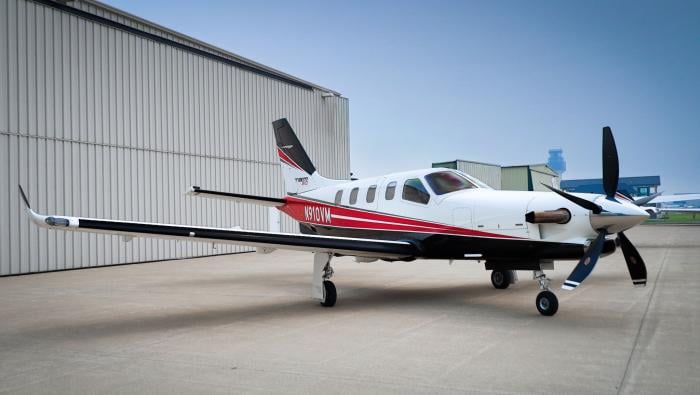
The lack of sufficient aircraft parking slots have also proved problematic. Additionally, to mitigate the need for pushback tractors and other support services, Shadov highlighted a trend towards smaller aircraft such as the Pilatus PC-12, which can more flexibly access different parts of airports.
“The successful operator and broker will be the one not to promise the customer something that cannot be done at the end,” urged Shadov, who underlined the importance of being “able to handle the right solution from the human side.”
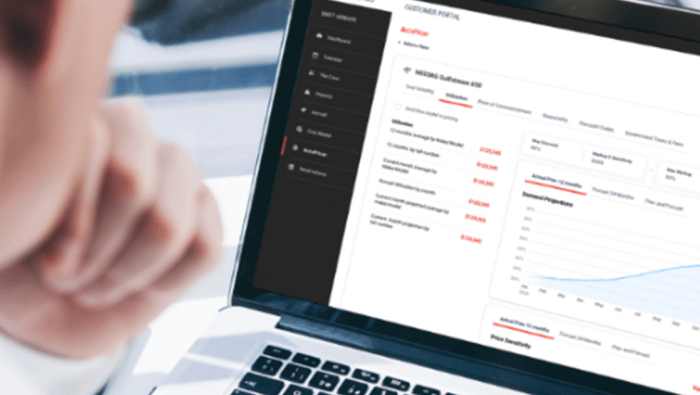
Looking to the end of this year and into 2027, Adam Neaves, head of charter at Gama Aviation UK, suggested that summer traffic will likely continue to be “more and more important” to the company’s charter business. During this peak period, he said the challenge is to match aircraft availability to “pricing that your client base is expecting to pay.”
Notably, Neaves added that Gama is now “in competition with far more types of categories than [it] was before,” citing clients far more savvy with cost structures and mission priorities. Clients are also leaving it later and later to book, often within ten days of a trip. He added that while speed of response is desirable, “this has got to be mitigated because we ultimately only get one shot at pricing.”
For Howes, while in-person communication will continue to be key in helping clients navigate quotes, she highlighted a concerning trend of end-users sourcing pricing suggestions from programs such as ChatGPT. “AI is only as good as the prompt that’s put in,” she insisted, explaining that there’s no substitution for the sophisticated insight an industry expert can provide.
Regarding charter pricing, Gama Aviation reported that “significant” fuel hikes of up to 50% have been integrated into its quoted hourly rate, which it has maintained throughout the summer without retrospectively adding fuel surcharges. Neaves believes that on the whole, the rise is “one of those things that’s been accepted” by clients. Nevertheless, Howes concluded that the ongoing pricing volatility still remains “something that is hard to navigate.”