AIN_2011_BizavEnvironment.pdf
Simply by virtue of its incessantAIN_2011_BizavEnvironment.pdf
Simply by virtue of its incessant quest to defeat gravity more efficiently for greater profit, civil aviation has been cleaning up its act continuously since Dec. 17, 1903.
However, in the new climate of climate change and perhaps because they emit their gases in the upper reaches of the great greenhouse itself, jet airplanes are attracting attention out of proportion to their emissions. But even if aviation as a whole does contribute only 2 percent of the pollutants warming the planet, the industry is approaching the task of cleaning up its act seriously and urgently–too seriously, in the opinion of most operators facing compliance with Europe’s emissions trading scheme (ETS), and not urgently enough for those who see mankind fiddling while Rome melts.
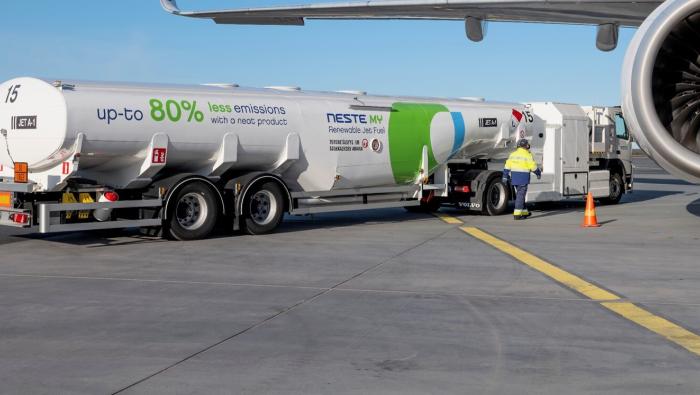
In this special report, AIN examines the front lines of business aviation’s campaign to be more ecologically restrained: cutting CO2 emissions; the harsh realities of Europe’s emissions trading scheme, now threatened by the non-recognition of the U.S. Congress and mounting objections from others; the supply and use of newly approved biofuels; and recycling the growing number of tired old airframes and engines that have shuffled off into the sunset.
More In Sustainability and Environment