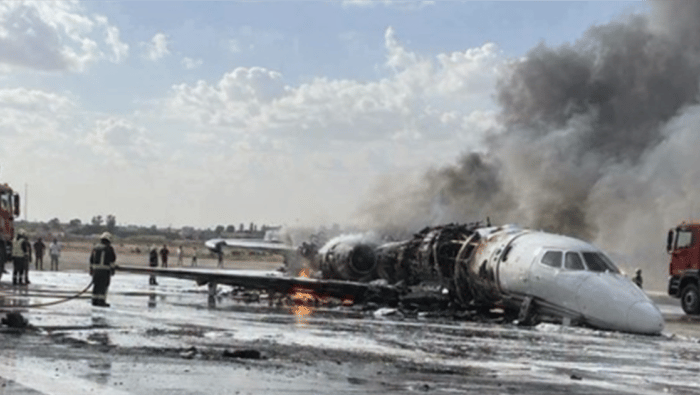

I have been to the scene of many fatal aircraft accidents, far too many. Major airline disasters, commuter crashes, and even some general aviation (GA) accidents as a Member of the National Transportation Safety Board (NTSB). Before serving on the NTSB, I went to the scene of a number airline crashes as a union safety representative. It is never easy to conduct an on-scene investigation, especially in the immediate aftermath of a crash. The things you see are not ones you ever want to describe but they haunt you for a lifetime. No matter how bad the crash scenes are, the truly hardest thing to do is addressing grieving family members who need and deserve answers to their most pressing questions. And, yet, as much as families want and need answers, rarely are accident investigations quick, and often getting to the bottom of what happened can take years.
I have briefed grieving family members on NTSB accident investigations, sat with them as they wept, and tried to comfort them as best I could by providing them the factual information we were able to gather to try to help them make sense of what happened. One thing I learned very early on meeting with the surviving family members is that they usually have three questions uppermost in their minds: what happened? Could the accident have been prevented? And, most importantly, did their loved ones suffer? In addition, after major crashes, it’s also not unusual to see family members come together to lobby for changes that would prevent similar future crashes, at least in part so that their loved ones did not die in vain.
With more than 40 years experience in the aviation industry, The Honorable John Goglia, was the first and only Airframe and Powerplant mechanic to receive a presidential appointment to the National Transportation Safety Board (NTSB). He served from August 1995 to June 2004.
As a Board Member, Mr. Goglia distinguished himself in numerous areas of transportation safety. In particular, he was instrumental in raising awareness of airport safety issues, including the importance of airport crash fire and rescue operations and the dangers of wildlife at airports. He played a key role in focusing international attention on the increasing significance of aircraft maintenance in aviation accidents. He pressed, successfully, for greater integration of civilian and military safety information, becoming a featured speaker at national aviation symposiums attended by military leaders and major defense contractors. He is a leading proponent of airplane child safety seats.
Prior to becoming a Board Member, Mr. Goglia held numerous positions in the airline industry. He started as a mechanic for United Airlines and eventually joined Allegheny, which became USAir. Additionally, he was involved for more than 20 years as a union flight safety representative on accident investigation teams. There, he developed a safety program for his union, the International Association of Machinists, and was its representative for NTSB investigations. For twelve years, he operated his own aircraft service company.
Numerous prestigious groups have recognized Mr. Goglia’s contributions to aviation safety. Aviation Week & Space Technology awarded him a coveted 2004 Laurel for his outstanding service as an NTSB Board member. The Society of Automotive Engineers presented him with the Aerospace Chair Award for outstanding leadership in 2003 and the Marvin Whitlock Award for outstanding management accomplishment in 2002.

More In Accidents