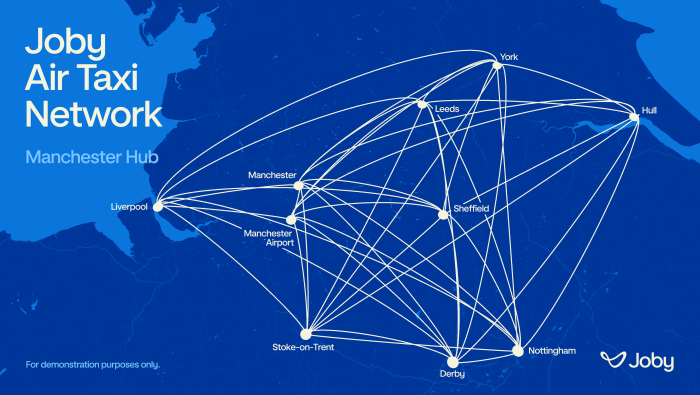
The rest of this article continues for AIN Members with the full report, analysis and background. The rest of this article continues for AIN Members with the full report, analysis and background. The rest of this article continues for AIN Members with the full report, analysis and background. The rest of this article continues for AIN Members with the full report, analysis and background. The rest of this article continues for AIN Members with the full report, analysis and background.
The rest of this article continues for AIN Members with the full report, analysis and background. The rest of this article continues for AIN Members with the full report, analysis and background. The rest of this article continues for AIN Members with the full report, analysis and background.
The rest of this article continues for AIN Members with the full report, analysis and background. The rest of this article continues for AIN Members with the full report, analysis and background. The rest of this article continues for AIN Members with the full report, analysis and background. The rest of this article continues for AIN Members with the full report, analysis and background. The rest of this article continues for AIN Members with the full report, analysis and background. The rest of this article continues for AIN Members with the full report, analysis and background.
The rest of this article continues for AIN Members with the full report, analysis and background. The rest of this article continues for AIN Members with the full report, analysis and background. The rest of this article continues for AIN Members with the full report, analysis and background. The rest of this article continues for AIN Members with the full report, analysis and background.