Closing in
0
...
Menu
Search
LATEST
POPULAR
AIRCRAFT FOR SALE
Sign In
SECTIONS
Business Aviation
Aerospace & Defense
Rotorcraft
General Aviation
FutureFlight
SUSTAINABILITY & ENVIRONMENT
CHANNELS
Aircraft
Maintenance
Avionics
Charter & Fractional
Safety
All Categories
News Archive
Newsletter Archive
MORE
AIN FBO Survey
Airshows & Conventions
Aviation Events
Compliance Countdown
Expert Opinion
In-Depth Reports
Leeham News & Analysis
Print Archives
Videos
Webinars
Whitepapers
ABOUT
About AIN
Our Writers
History
Advertise
Contact Us
Subscribe
LATEST
POPULAR
AIRCRAFT FOR SALE
SECTIONS
ABOUT
Sign In
Search
Subscribe
Search
Regulations and Government
Politics count more than need in PSO game
Local politics–not economic necessity or distance from commercial centers–might influence the administration of Europe’s public-service obligation (PSO) ai
Share
Post
Share
Print
Copy
Email
By
Ian Goold
• Senior correspondent
October 8, 2007
More In Regulations and Government
Travel Groups Unite against DHS Talk of CBP Removals
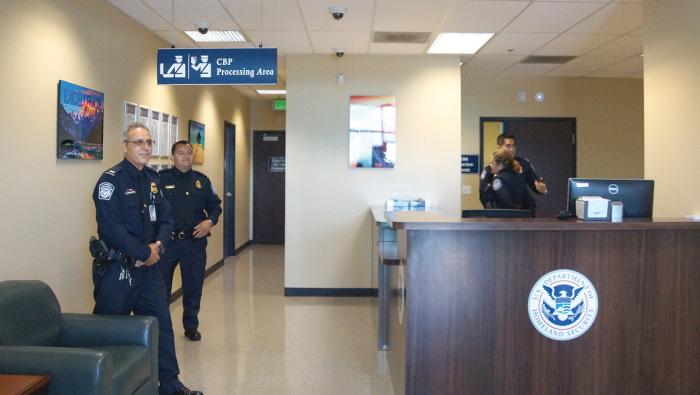
Homeland Security Secretary Markwayne Mullin threatened to remove CBP from airports in cities that honor sanctuary policies
Regulations and Government
GAO: Electric Propulsion Standards Work Stalled by Bureaucracy Cuts
ARAC purge puts 2027 rulemaking deadline at risk
Regulations and Government
Ebola Warning Carries New Flight Operation Concerns
Passenger travel histories can now affect U.S. admission requirements
Regulations and Government
Canada Chooses Saab/Bombardier GlobalEye AEWC Platform
Swedish bidder preferred to rivals including Boeing and L3Harris/Elta Systems
Regulations and Government
EBAA Calls for Bizav Recognition in EU Aviation Policy
Trade group said airport access and decarbonization rules discriminate against the industry
Regulations and Government
NBAA Head Touts Safety, ATC Advocacy at New York Regional
Event hosted at the Million Air FBO at Westchester County Airport
Regulations and Government
Graham, Edwards Get Senate Nods for NTSB, DOT Posts
Graham was approved for another NTSB term, Edwards for an assistant secretary position
Regulations and Government
Two Join AOPA Board as Bylaws Review Continues
Members have until June 5 to comment on proposed bylaw changes
Regulations and Government