|
 |
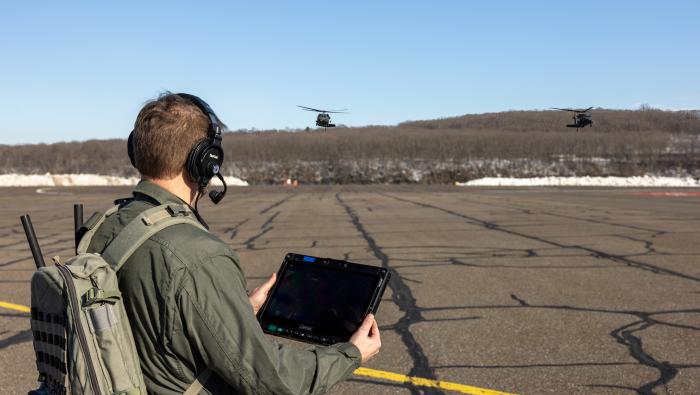 The U.S. Army has taken delivery of its first Black Hawk helicopter that can fly without a pilot. Sikorsky announced on March 23 that it had finished integrating and testing its Matrix autonomous flight technology on the optionally piloted Black Hawk, known as the UH-60MX, and delivered it to the Army Combat Capabilities Development Command (DEVCOM) in Fort Eustis, Virginia. |
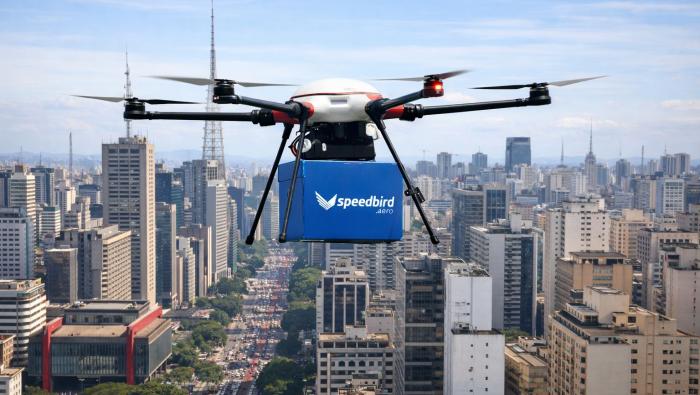 Brazil’s civil aviation authority has cleared Speedbird Aero to operate delivery drones beyond visual line of sight over densely populated areas, marking a shift from route-by-route approvals to a scalable national framework. Speedbird, which has completed nearly 40,000 missions across 14 countries, said the ANAC approval significantly expands the scope of commercial drone operations in Brazil and could inform the development of similar regulations in the U.S. and Europe. |
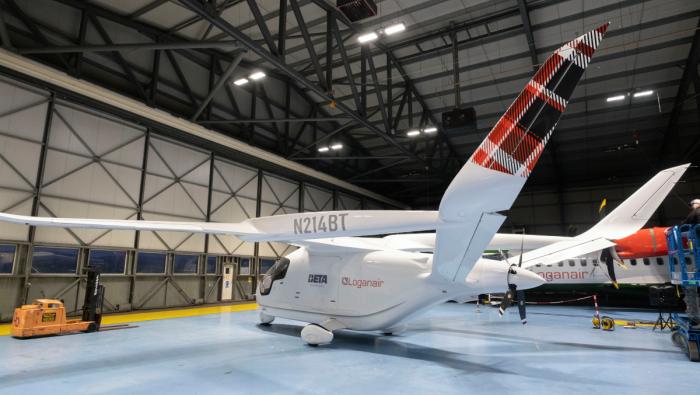 Scottish regional airline Loganair is evaluating Beta Technologies’ Alia electric aircraft in a two-week trial that started on March 19 with a flight from Glasgow to Dundee. Initially, the operator is interested in how the conventional takeoff and landing model could be used for services such as mail and urgent cargo deliveries across its network. |
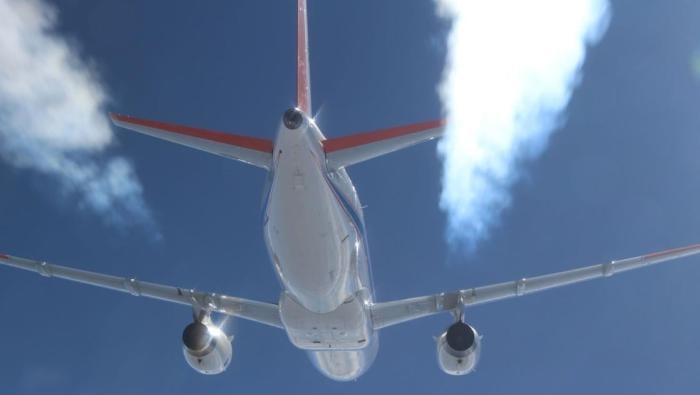 Honeywell and Boeing are teaming with the UK’s University of Reading to develop an aircraft-based sensor that could improve understanding of contrails and their climate impact. Project Mist, announced on March 18, has received funding from the Aerospace Technology Institute, which is backed by industry and the UK government. |
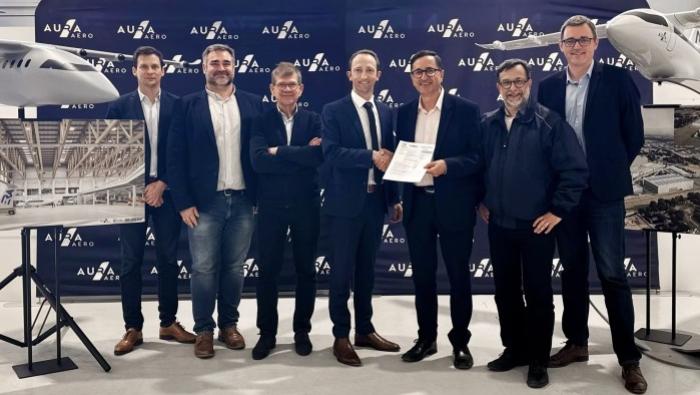 Aura Aero has launched a military business unit, Aura M, which the French start-up believes will expand use cases for its electric and hybrid-electric aircraft. The company is working on a dual-use version of its ERA hybrid-electric regional aircraft and the Enbata medium-altitude, long-endurance drone, set to make its first flight later this year. |
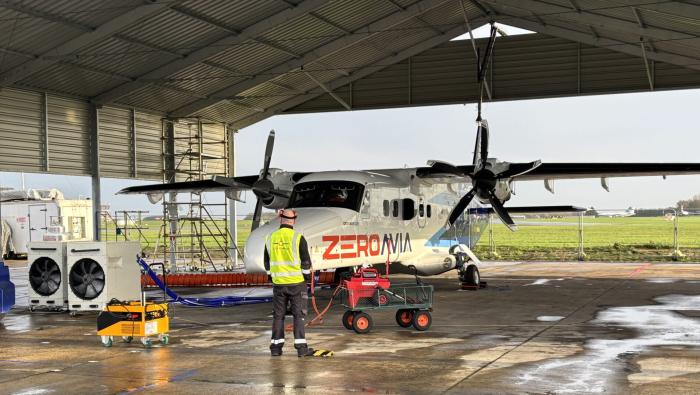 The FAA has issued final special conditions for ZeroAvia's ZA601 electric engine, the motor-and-controller assembly at the core of the company's hydrogen-electric ZA600 powertrain. Published in the Federal Register on March 18, the special conditions fill gaps left by Part 33, the FAA's existing engine airworthiness rulebook. |
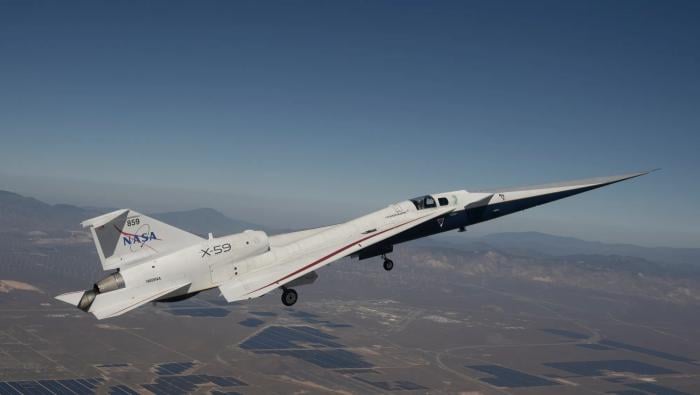 NASA’s X-59 supersonic demonstrator returned to the skies on March 20 for a nine-minute flight that was cut short after a warning light illuminated. However, NASA officials said they were still able to gather data during the second flight from the aircraft built in collaboration with Lockheed Martin at its Skunk Works facility. |
|
|
|
 April 7 - 9, 2026